The Strait of Hormuz: How Iran Tensions Threaten Global Oil Supply and Drive Up the Olieprijs
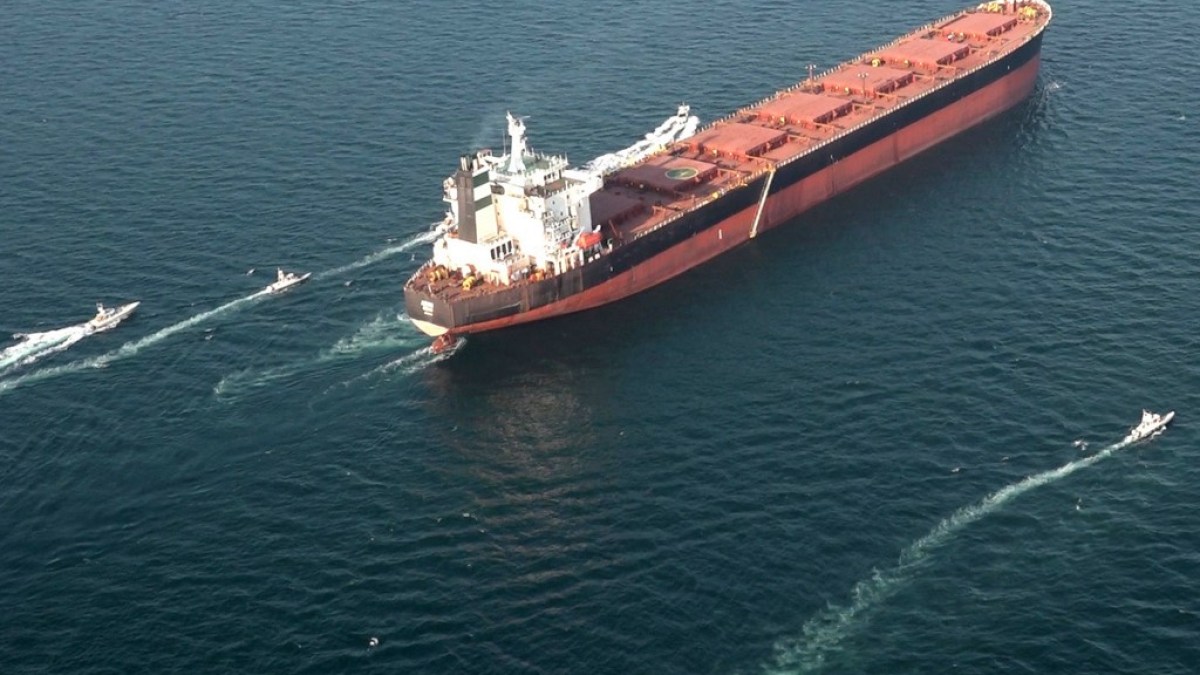
The Strait of Hormuz, a narrow waterway connecting the Persian Gulf to the open ocean, is a name synonymous with global energy security. Daily, roughly a fifth of the world's total oil consumption – an staggering 20 million barrels – passes through this strategic chokepoint. Alongside crude oil, vast quantities of liquefied natural gas (LNG) also traverse these waters, making it an indispensable artery for global trade and energy supply. Recent escalations in tensions involving Iran, including direct actions and geopolitical posturing by the United States and Israel, have cast a long shadow over this vital shipping lane, sending shockwaves through international energy markets and significantly impacting the
olieprijs.
The immediate aftermath of these heightened tensions saw an alarming spike in global oil prices. Initially, Brent crude surged by an astonishing 13% overnight, marking the largest single-day increase in four years. While this initial jump tempered slightly to around 7%, the implications remain dire. What was once approximately $72 per barrel on Friday quickly climbed to $77, reflecting a substantial and immediate rise driven by market uncertainty and fear. Economists and energy analysts are now closely monitoring every development, recognizing that the trajectory of oil prices, and indeed the broader global economy, hinges precariously on how these volatile events unfold.
Immediate Market Volatility: A Price Surge Echoing Geopolitical Tensions
The dramatic surge in oil prices is a direct reflection of increased risk surrounding the Strait of Hormuz. The Gulf States, bordering the Persian Gulf, collectively account for approximately one-third of global oil production and are equally crucial for LNG output. A significant portion of this energy output must be transported via tanker ships through the Strait. When geopolitical tensions escalate, particularly involving a key regional player like Iran, the inherent dangers of navigating this passage skyrocket.
As Erik Joly, chief economist at ABN AMRO Belgium, notes, the heightened risk effectively brings transport through the Strait to a near standstill. Oil traders and investors immediately factor in a "risk premium," driving up the price of oil. This premium accounts for the potential for disruption, delays, or even attacks on shipping, making every barrel more expensive. The initial 13% price jump, though later moderating, vividly illustrates the market's instantaneous and severe reaction to such threats. This volatility is further fueled by statements and actions from major global powers, such as the deployment of U.S. warships, including an aircraft carrier armada, to the Persian Gulf following threats from leaders like former U.S. President Trump regarding Iran's nuclear program and its actions against protestors. For a deeper dive into how such conflicts ripple through economies, read our analysis on
Oil Price Soars: Iran Conflict's Impact on Economy & Consumers.
Iran's Strategic Position and Oil as Geopolitical Leverage
Iran's geographical location and its political ambitions place it at the heart of this energy crisis. With direct control over the northern coast of the Strait of Hormuz, Iran possesses the strategic capability to disrupt or threaten maritime traffic. This leverage is not new; Iran has historically used threats of closure or interference with shipping in response to international sanctions or perceived aggression. Iran itself is a significant oil producer, with a capacity of approximately 3.2 million barrels per day. However, its ability to export this oil has often been hampered by international sanctions, making the Strait of Hormuz an even more sensitive issue for its national interests.
Any perceived threat to its sovereignty or economic stability could provoke a response that impacts shipping, pushing the
olieprijs even higher. The country's nuclear program, which the U.S. and its allies have sought to curb, remains a central point of contention, contributing to the broader atmosphere of distrust and potential conflict in the region. The ongoing military posturing and rhetoric serve to amplify market anxieties, making any resolution seem distant and fragile.
The Broader Economic Ripple: Beyond the Pump
While the immediate impact of rising oil prices is felt at the fuel pump, the economic repercussions extend far beyond. A sustained increase in crude oil prices has a cascading effect across the global economy:
- Inflation: Higher energy costs translate to increased production and transportation expenses for virtually all goods and services, leading to inflationary pressures. This erodes purchasing power and can squeeze household budgets.
- Supply Chains: Global supply chains, already fragile from recent disruptions, become more expensive and less reliable, impacting manufacturing, retail, and logistics worldwide.
- Economic Growth: Businesses face higher operating costs, which can stifle investment and hiring, potentially slowing down economic growth or even tipping economies into recession.
- Stock Markets: Uncertainty and the prospect of higher inflation often lead to volatility in stock markets, as investors become more risk-averse.
- Consumer Spending: With more disposable income allocated to fuel and energy, consumers have less to spend on other goods and services, dampening overall economic activity.
In an attempt to stabilize the volatile market and counter panic, OPEC+ has announced a modest increase in oil production—an additional 206,000 barrels per day. However, analysts like Erik Joly view this as largely symbolic, a "drop in a hot plate." Considering daily global oil consumption hovers around 100 million barrels, this increase represents a mere 0.2% and is unlikely to significantly offset the impact of major supply disruptions or the entrenched risk premium. According to Moniek de Jong, a postdoctoral researcher in energy security at Friedrich-Alexander University in Nuremberg, future oil prices are still expected to rise by 5-15%, largely due to the prevailing uncertainty surrounding the conflict's escalation. To understand expert predictions on sustained increases, see
Iran Conflict & Oil: Will Prices Keep Rising? Expert Outlook.
Navigating the Uncertainty: Strategies for Resilience
Given the unpredictable nature of geopolitical tensions and their direct impact on the
olieprijs, what steps can be taken by various stakeholders to build resilience?
For Businesses:
- Hedging Strategies: Companies heavily reliant on fuel or energy should consider financial hedging to lock in prices and mitigate volatility.
- Supply Chain Diversification: Exploring alternative shipping routes or sourcing options, where feasible, can reduce dependency on single chokepoints.
- Energy Efficiency: Investing in energy-efficient technologies and practices can lower operational costs, making businesses less vulnerable to price spikes.
For Consumers:
- Fuel-Efficient Choices: Opting for more fuel-efficient vehicles or modes of transport (e.g., public transport, cycling) can reduce personal exposure to high fuel prices.
- Budgeting: Incorporating potential increases in energy costs into household budgets is crucial for financial planning.
- Home Energy Efficiency: Improving home insulation and using energy-saving appliances can lower utility bills.
For Policymakers:
- Strategic Oil Reserves: Maintaining adequate strategic petroleum reserves can provide a buffer against sudden supply shocks.
- Diplomatic Engagement: Prioritizing diplomatic solutions to de-escalate regional tensions is paramount to ensuring stability.
- Renewable Energy Investment: Long-term investment in renewable energy sources reduces overall reliance on fossil fuels and vulnerable supply routes.
Conclusion
The Strait of Hormuz remains a powder keg, and the ongoing tensions involving Iran serve as a stark reminder of the fragile interconnectedness of global energy markets and geopolitics. The immediate and dramatic surge in the
olieprijs following recent escalations underscores the immense economic stakes involved. While OPEC+'s efforts offer a symbolic gesture of stability, the true trajectory of oil prices will be dictated by the complex dance of diplomacy, deterrence, and de-escalation in the Middle East. Vigilance, strategic planning, and a global commitment to peaceful resolutions are essential to navigate these turbulent waters and safeguard not only global oil supply but also the stability of the world economy.